
Stroke prevention!
Mind Matters Most: How a Healthy Mind Can Shield You from Stroke
As a life coach and Master NLP practitioner, I often guide individuals towards greater wellbeing. While we understand the role of diet and exercise in preventing physical ailments, the often-overlooked power of our mental state in safeguarding against serious conditions like stroke is immense. Cultivating a healthy mind isn’t just about feeling good; it’s a proactive step in protecting your brain and cardiovascular system.
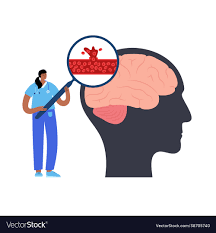
Stroke, a devastating event that occurs when blood flow to the brain is interrupted, has numerous risk factors. However, mounting scientific evidence highlights the significant role that chronic stress, anxiety, and depression – all aspects of our mental wellbeing – play in increasing this risk.
Research has consistently demonstrated a strong link between psychological distress and cardiovascular events, including stroke. A meta-analysis published in the European Heart Journal found that individuals experiencing high levels of psychological distress had a significantly increased risk of stroke (Rutledge et al., 2011). This isn’t just about feeling worried; it’s about the physiological impact of prolonged stress on our bodies.
Chronic stress, as we’ve discussed before, elevates stress hormones like cortisol. Over time, high cortisol levels can contribute to hypertension (high blood pressure), a major risk factor for stroke (Brook et al., 2013). Furthermore, stress can promote inflammation and atherosclerosis (the buildup of plaque in the arteries), both of which can impede blood flow to the brain and increase the likelihood of a stroke (Yusuf et al., 2001).
Depression has also been identified as an independent risk factor for stroke. Studies have shown that individuals with depression are at a higher risk of experiencing a stroke compared to their non-depressed counterparts (Pan et al., 2011). The mechanisms behind this link are complex but likely involve a combination of biological factors, such as increased inflammation and altered platelet function, as well as behavioral factors like poor lifestyle choices.
The empowering message here is that by actively working on your mental wellbeing, you are directly addressing modifiable risk factors for stroke.
How can nurturing your mental health help prevent strokes?
- Reducing Chronic Stress: Techniques learned through NLP and mindfulness practices can effectively lower stress hormone levels and their damaging effects on the cardiovascular system.
- Managing Anxiety: Addressing anxiety through cognitive restructuring and relaxation techniques can help regulate blood pressure and reduce the strain on your heart and blood vessels.
- Alleviating Depression: Seeking support and utilizing therapeutic approaches, including NLP strategies, can improve mood and potentially mitigate the biological and behavioral risk factors associated with depression and stroke.
- Promoting Healthy Lifestyle Choices: Improved mental wellbeing often leads to healthier lifestyle choices, such as better sleep, regular exercise, and a balanced diet, all of which are crucial in stroke prevention.
As a life coach and NLP practitioner, I firmly believe in your ability to take control of your health, both mental and physical. By prioritizing your mental wellbeing, you’re not just enhancing your quality of life today; you’re actively building a stronger defense against serious health events like stroke for your future.
References:
- Brook, R. D., Rajagopalan, S., Pope, C. A., 3rd, Brook, J. R., Bhatnagar, A., Diez-Roux, A. V., Holguin, F., Hong, Y., Luepker, R. V., Lynch, J., Mittleman, M. A., Peters, A., Siscovick, D., Smith, S. C., Jr., Whitsel, L., & Kaufman, J. D. (2013). Part 1: air pollution: an update on cardiovascular disease. A scientific statement from the American Heart Association. Circulation, 127(25), 2425–2453.
- Pan, A., Sun, Y., Okereke, O. I., Rexrode, K. M., & Hu, F. B. (2011). Depression and risk of stroke: a meta-analysis of prospective studies. Stroke, 42(1), 21–26.
- Rutledge, T., Hogan, B. E., Smith, P. J., Hood, R. G., & Johnson, B. D. (2011). Psychological factors and the risk of stroke: a meta-analysis of prospective cohort studies. European Heart Journal, 32(20), 2514–2522.
- Yusuf, S., Hawken, S., Ounpuu, S., Dans, T., Avezum, A., Lanas, F., McQueen, M., Budaj, A., Pais, P., Varigos, J., & Lisheng, L. (2001). Effect of potentially modifiable risk factors associated with myocardial infarction in 52 countries (the INTERHEART study): case-control study. Lancet, 358(9287), 937–946.